

Nest and North Six, along with the Magnum Foundation, have documented the social enterprises and their unique creative skills, techniques and craftsmanship globally. North Six generously provided a grant for the photography and storytelling, allowing for respectful collaborations between local photographers and artisan groups.
Photographer Nida Mehboob partnered with Artisan Links in Pakistan; Özge Sebzeci photographed Bebemoss in Turkey; Jacques Nkinzingabo worked with Indego Africa in Rwanda; Shwe Wutt Hmon has captured the work of WEAVE in Thailand; and Misper Apawu photographed Xoomba in Burkina Faso. Ala Kheir worked with Roots in South Sudan via MADE51.
The Artisans of Xoomba, Photographed by Misper Apawu
Location: Burkina Faso
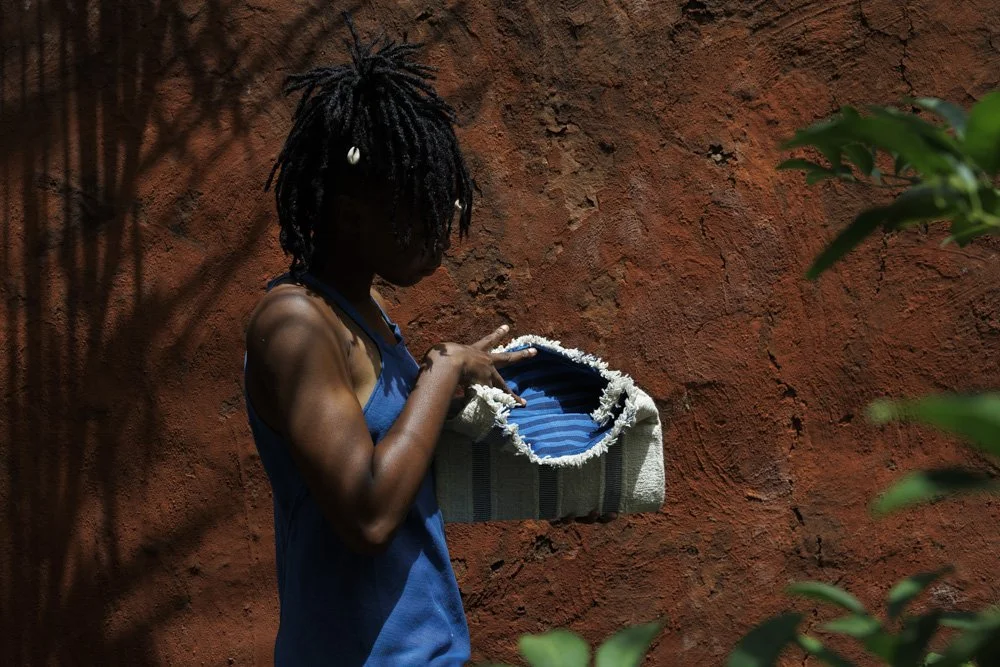
Badoit Nodege holds an accessory at the Xoomba studio in Bolomakoté, Bobo Dioulasso, Burkina Faso.
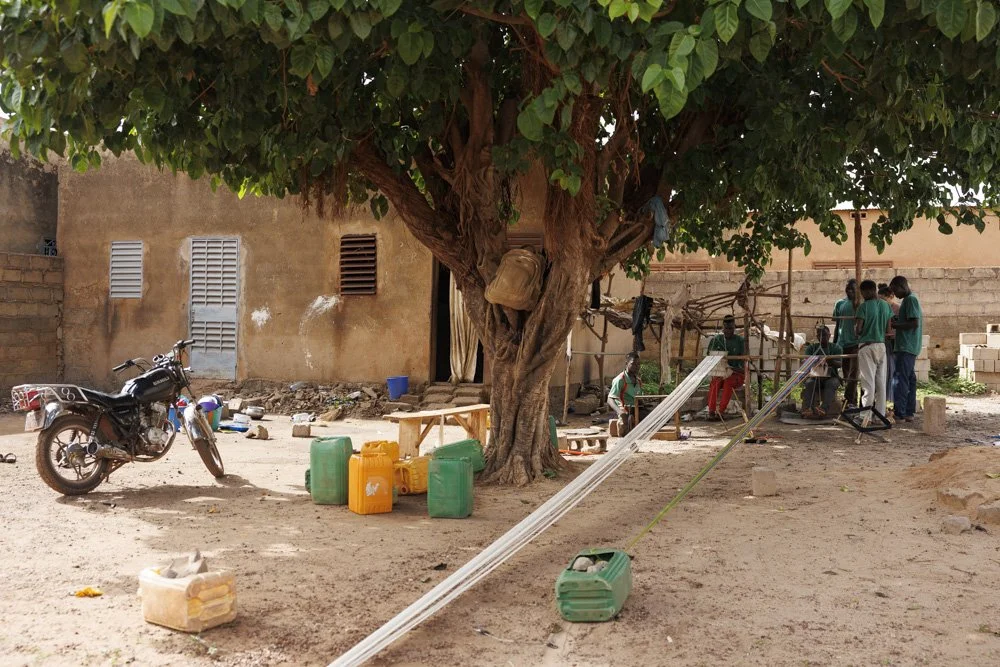
A group of internally displaced persons weave yarn to craft accessories under a tree in a compound where they live, Bobo Dioulasso, Burkina Faso. They fled their villages due to terrorist attacks.
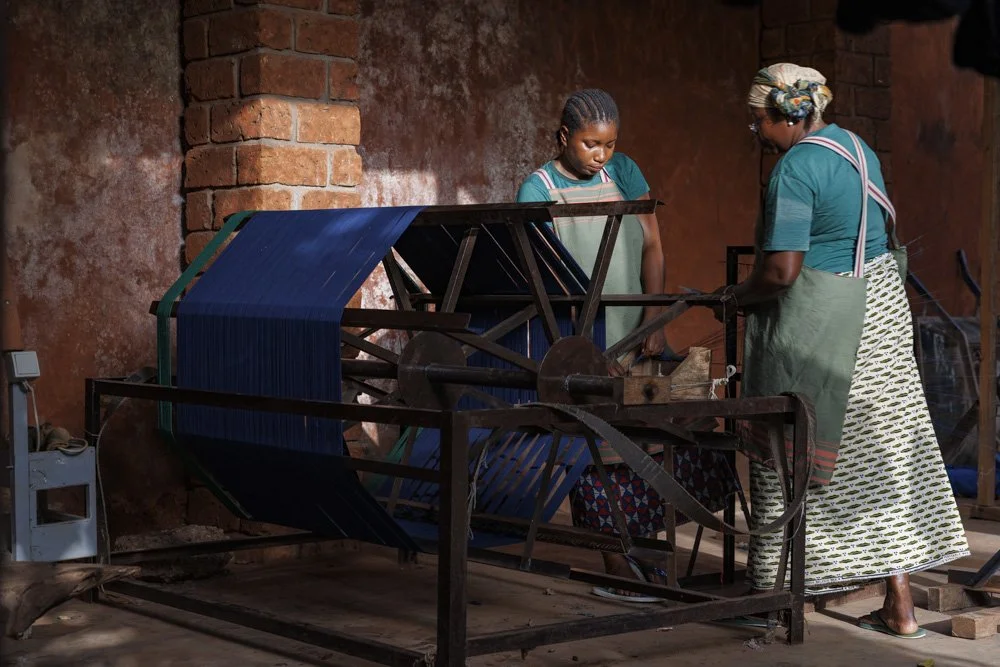
Emilie Traore(R) and Quedulaogo N’djouk Mariam(L) perform sectional wrapping of yarn at the Xoomba studio in Bolomakoté, Bobo Dioulasso, Burkina Faso.
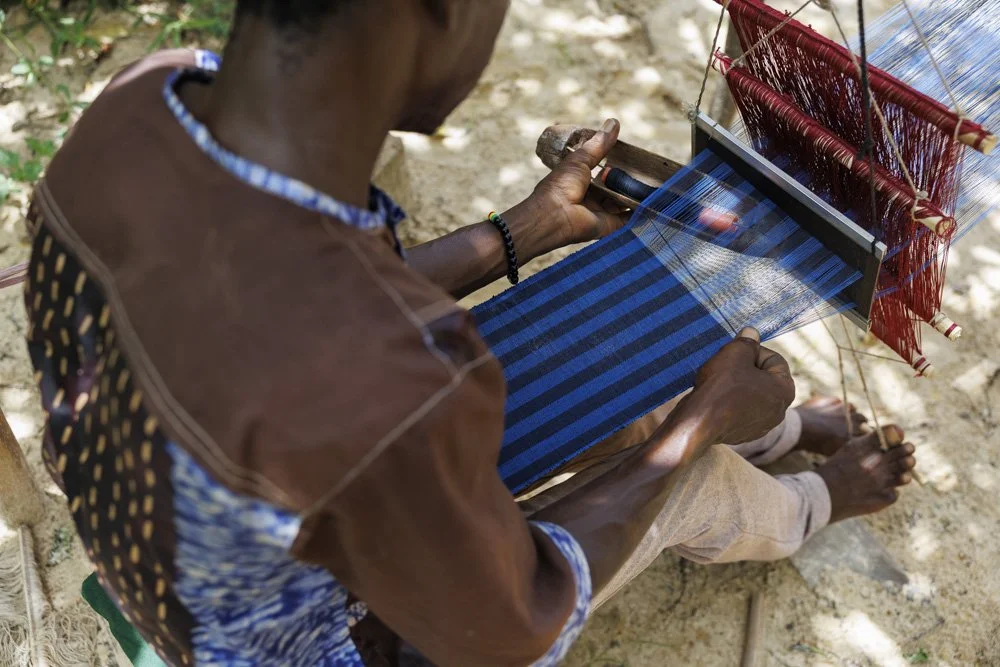
Dolfini Kone weaves yarn to create accessories in Bolomakoté, Bobo Dioulasso, Burkina Faso. Dolfini is a participant in the Accelerator Program.
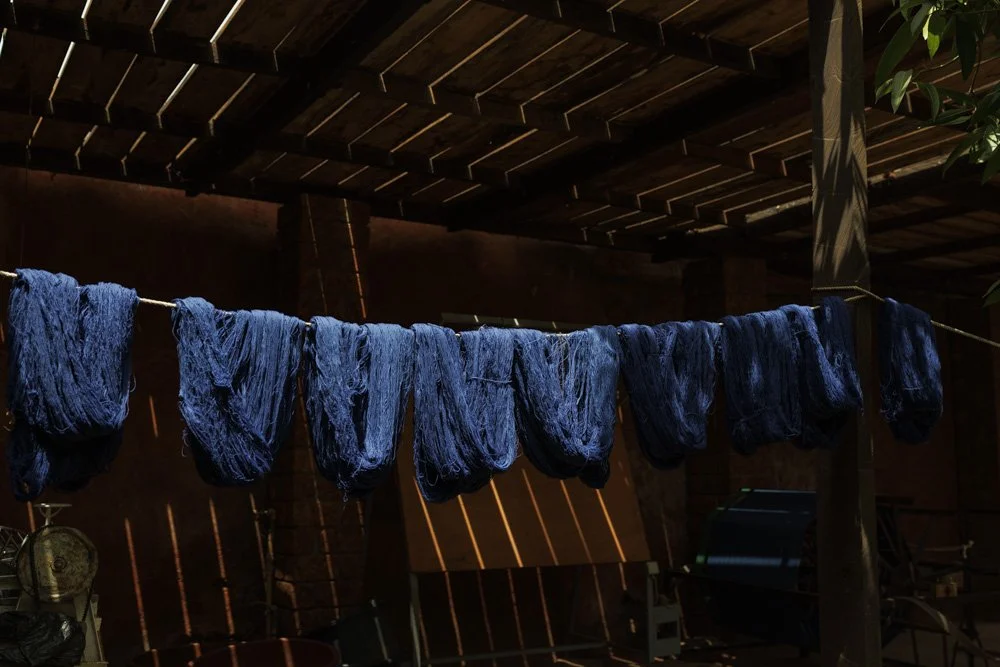
Dyed yarns hang to dry at the Xoomba studio in Bolomakoté, Bobo Dioulasso, Burkina Faso.
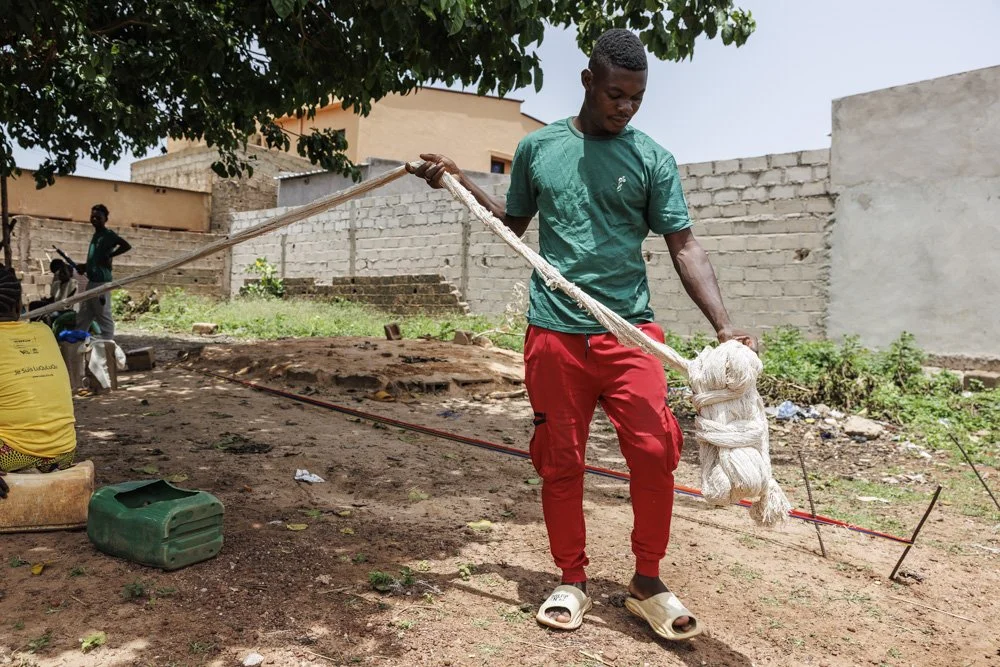
Bihoun Honoré, a weaver in Bobo Dioulasso, Burkina Faso, carries freshly spun yarn for weaving. Originally from Boundoukui, he was displaced by a terrorist attack and now weaves alongside four other displaced men.
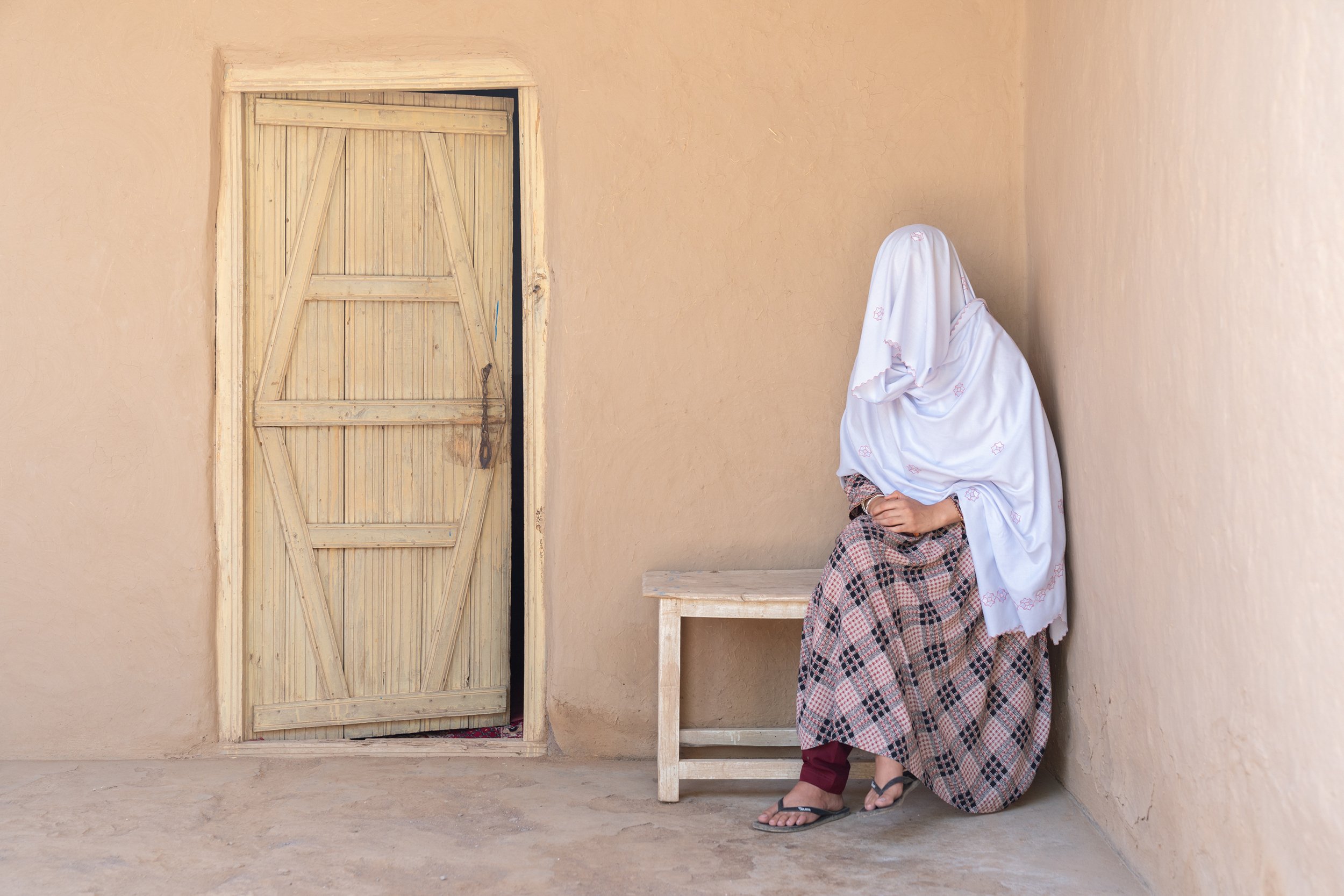
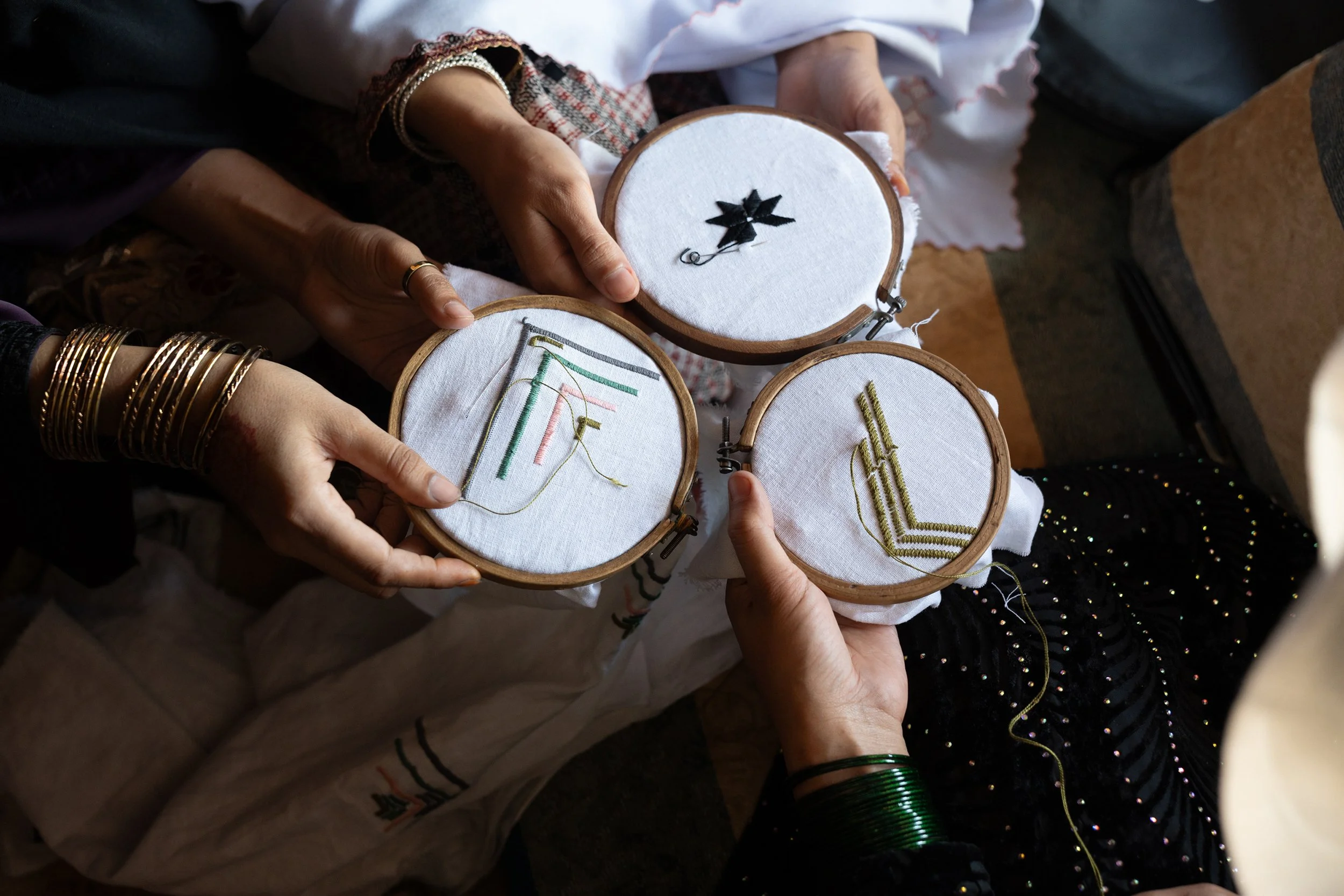
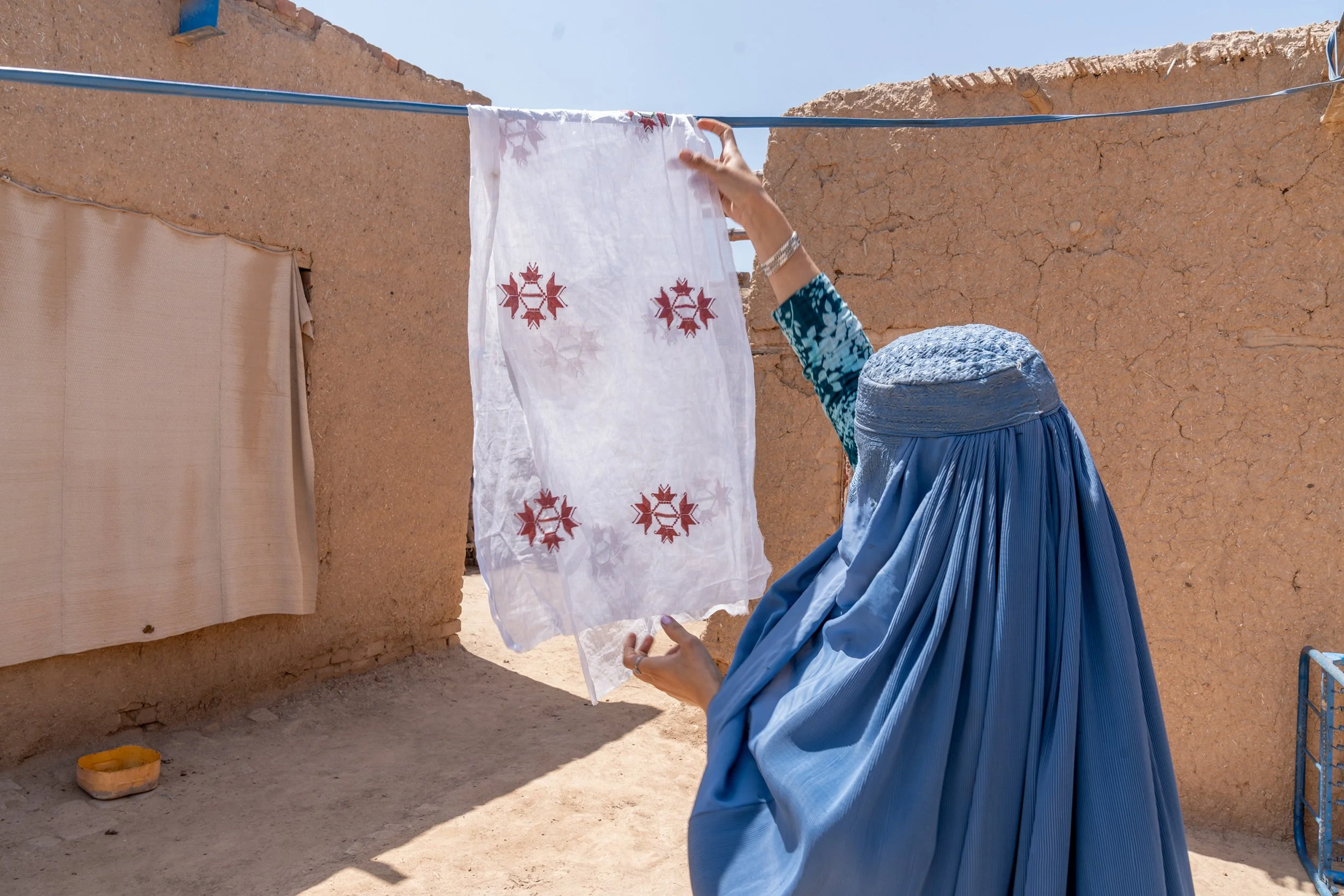
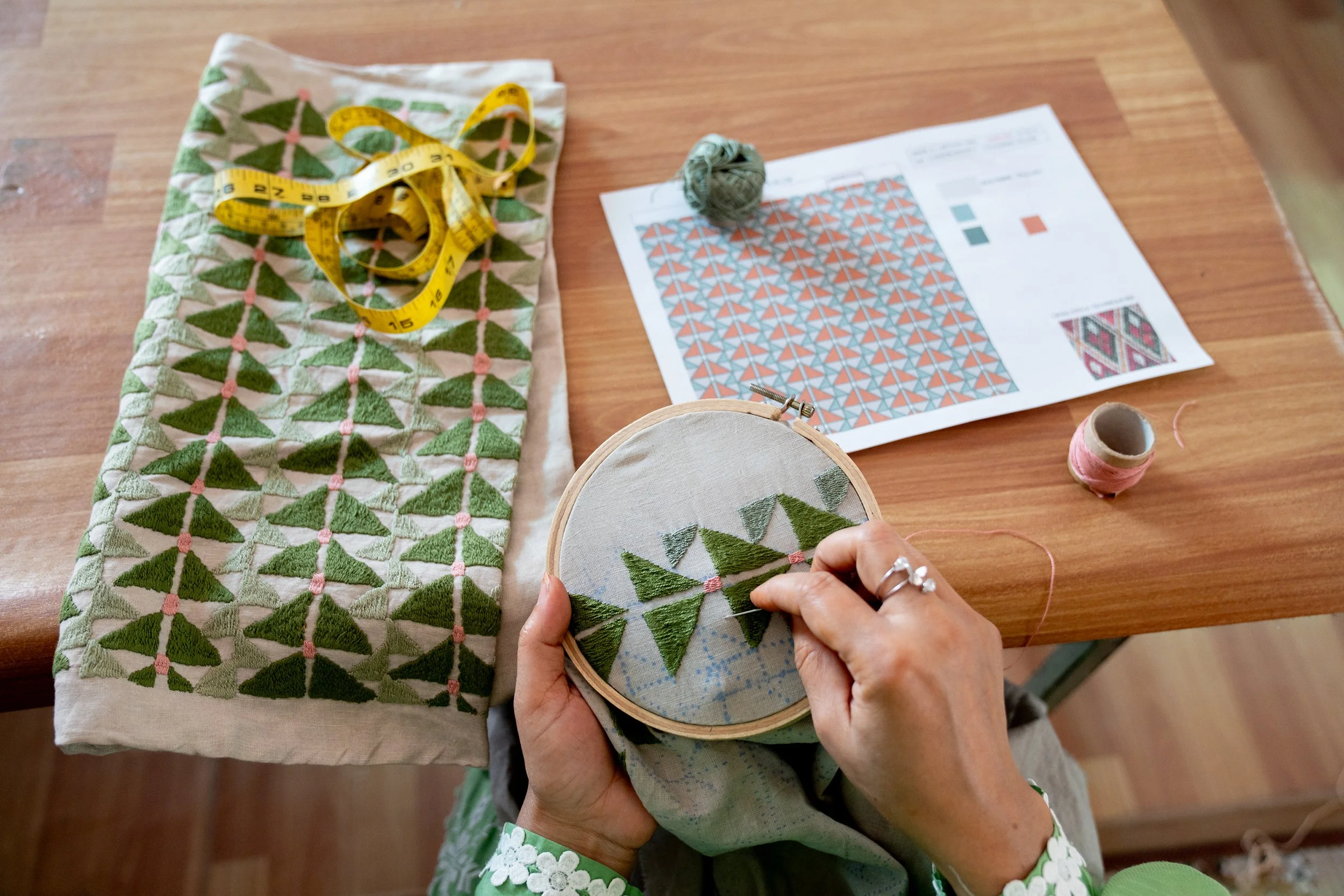
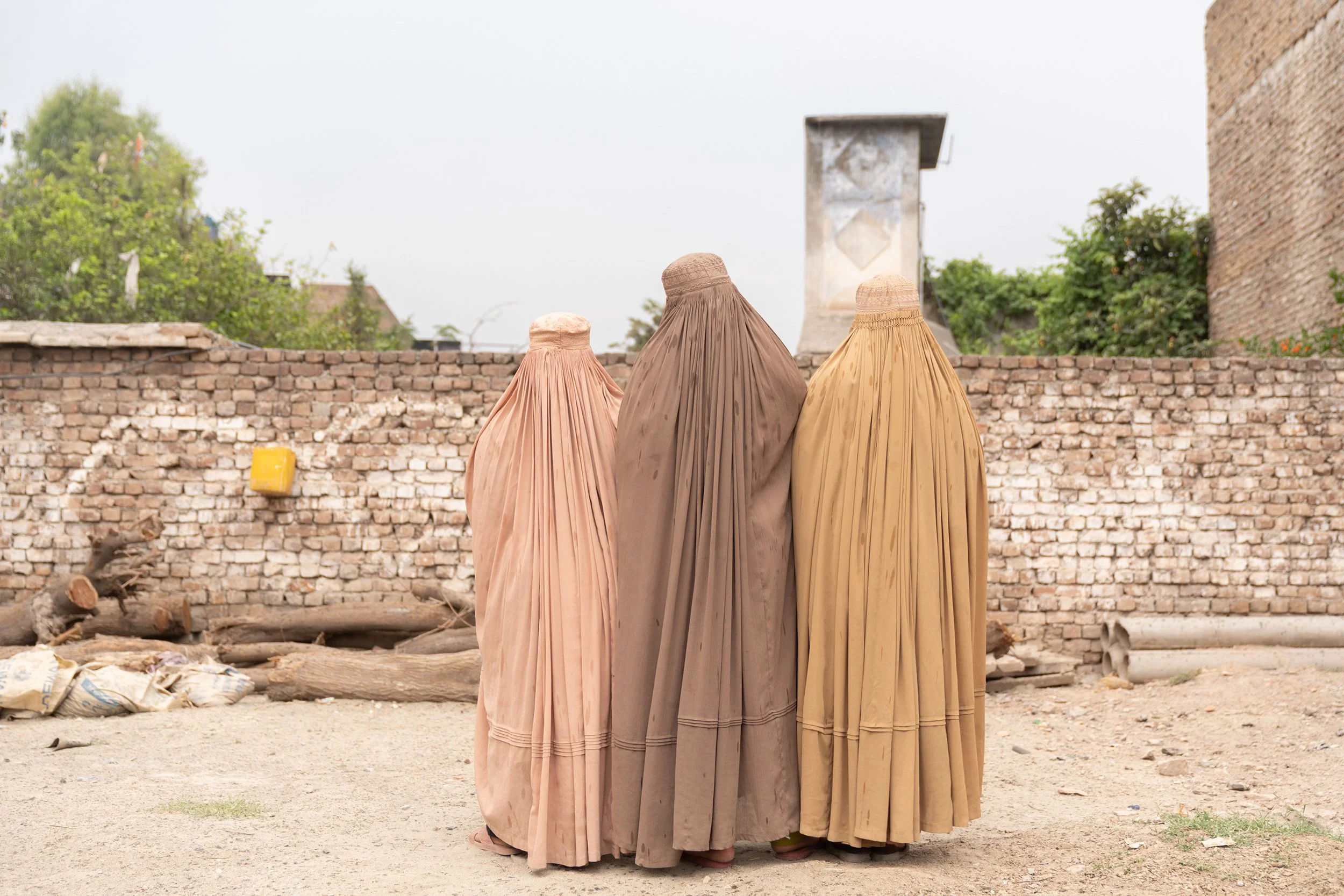
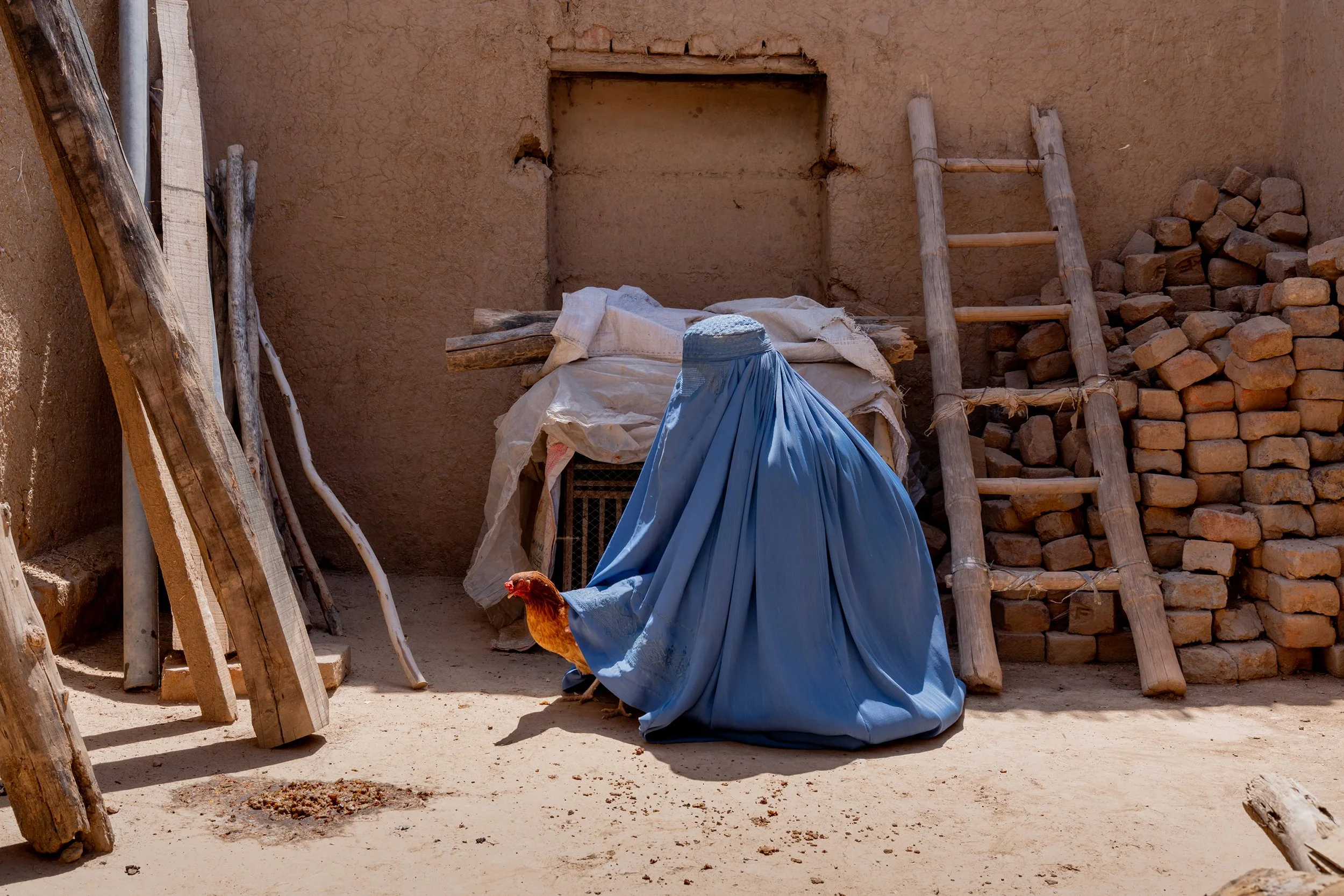
The Artisans of Artisan Links, Photographed by Neda Meboob
Location: Pakistan
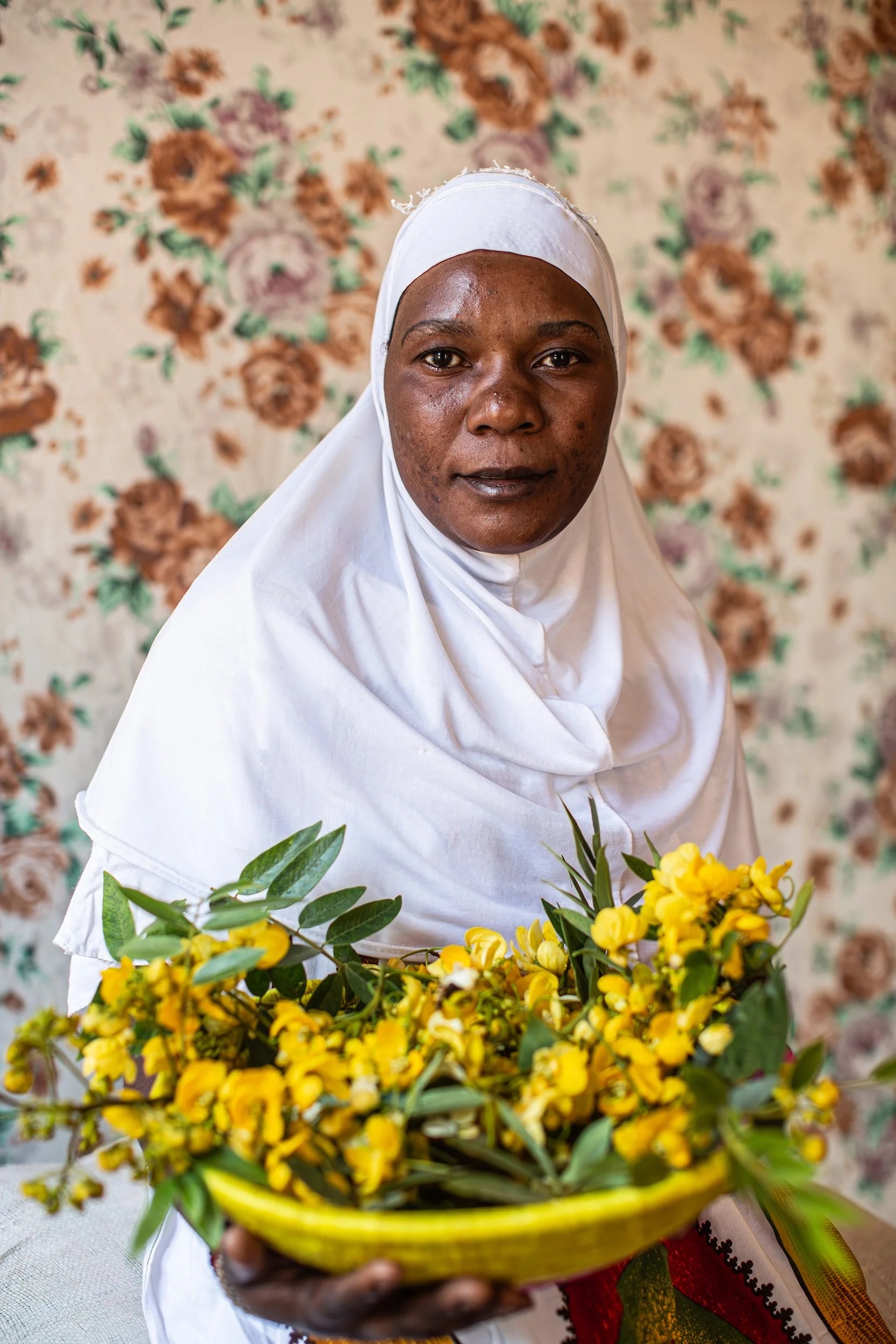
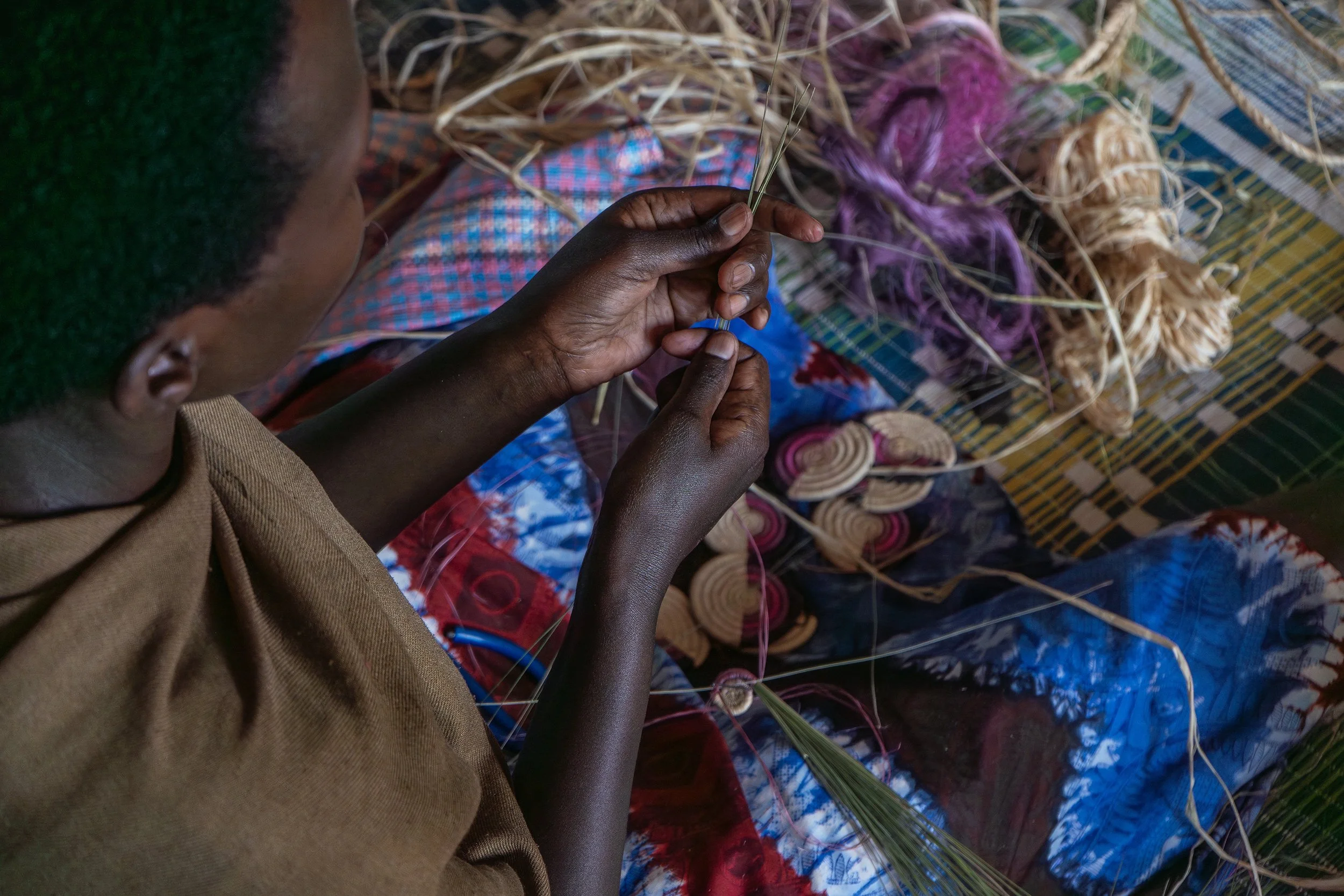
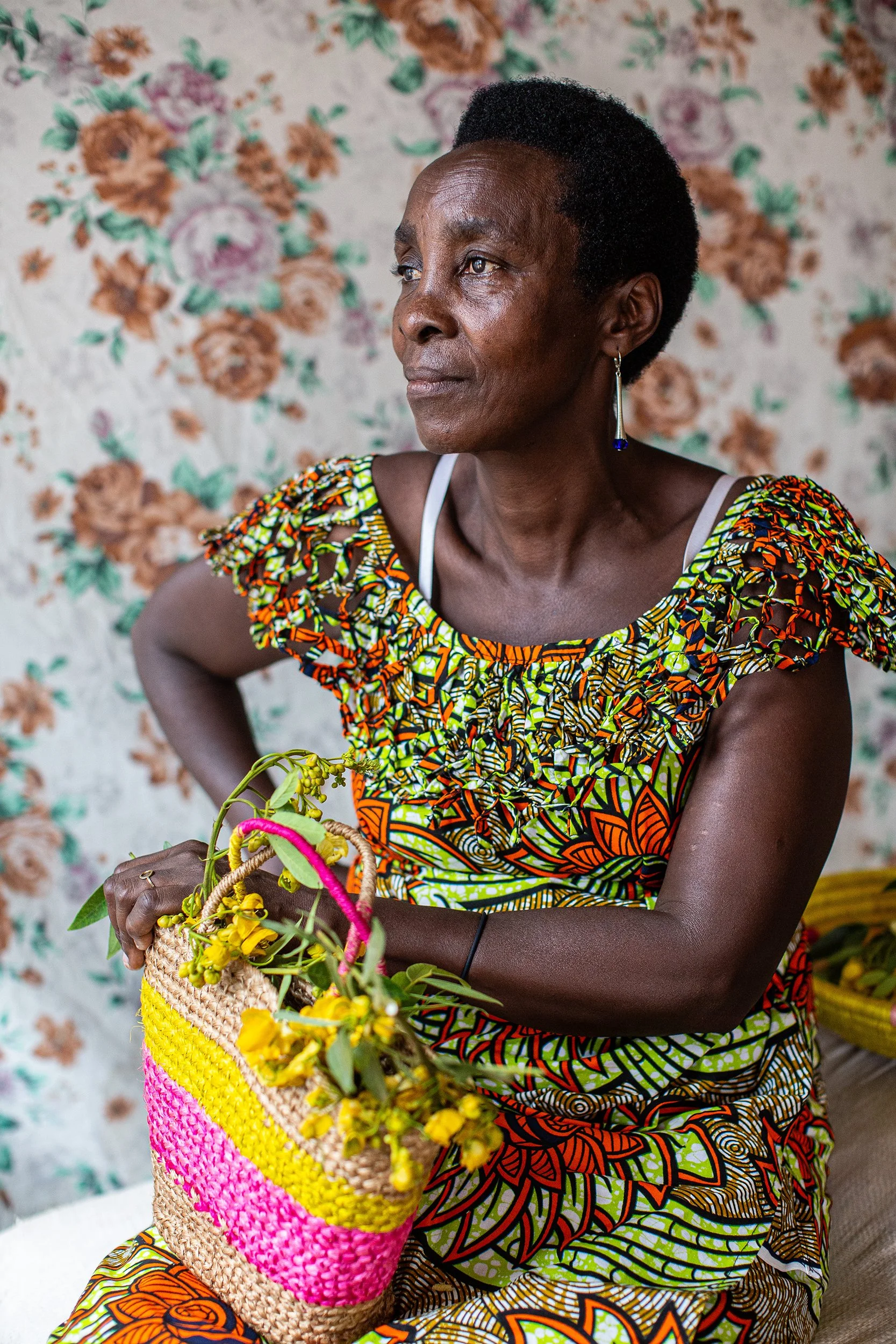
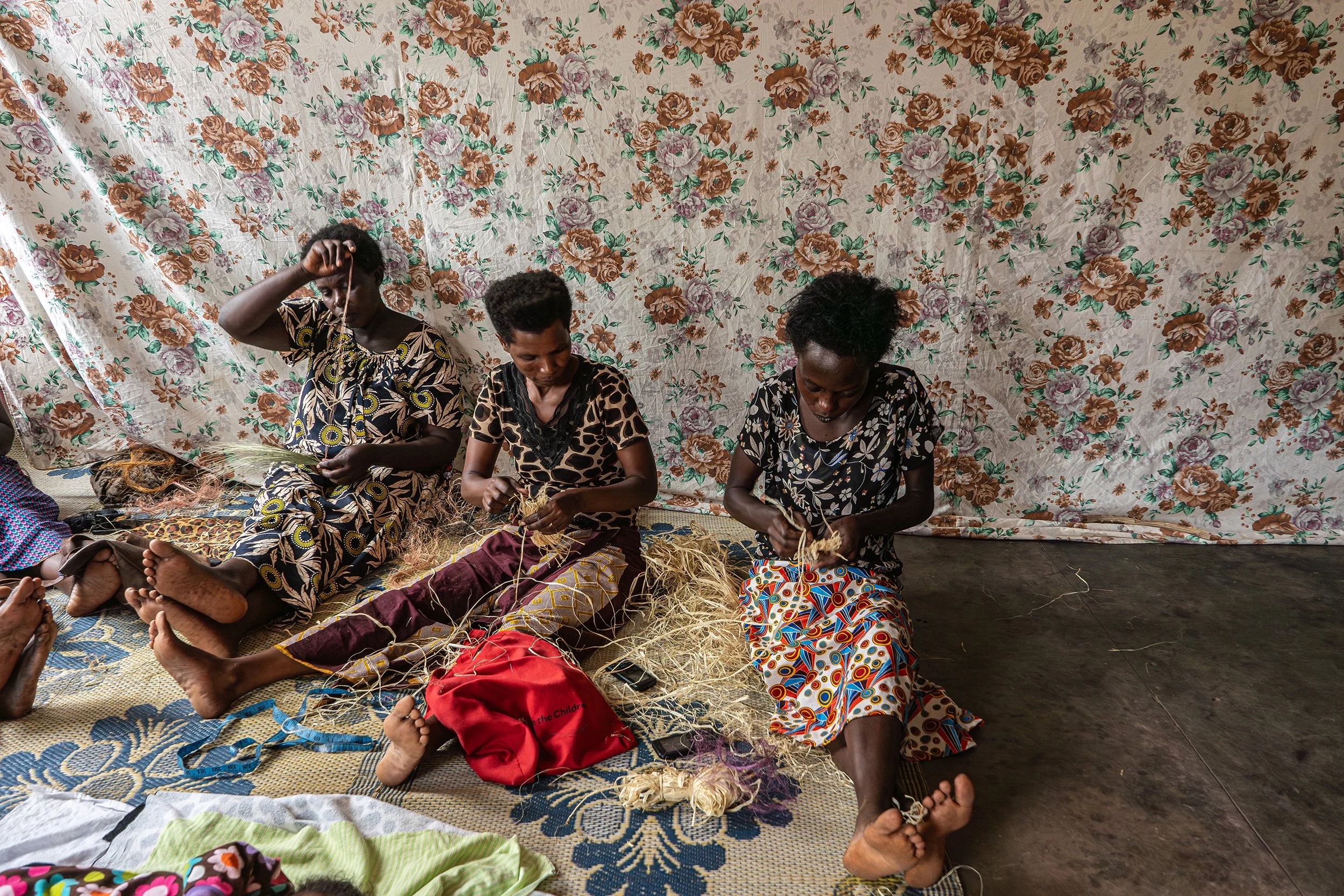
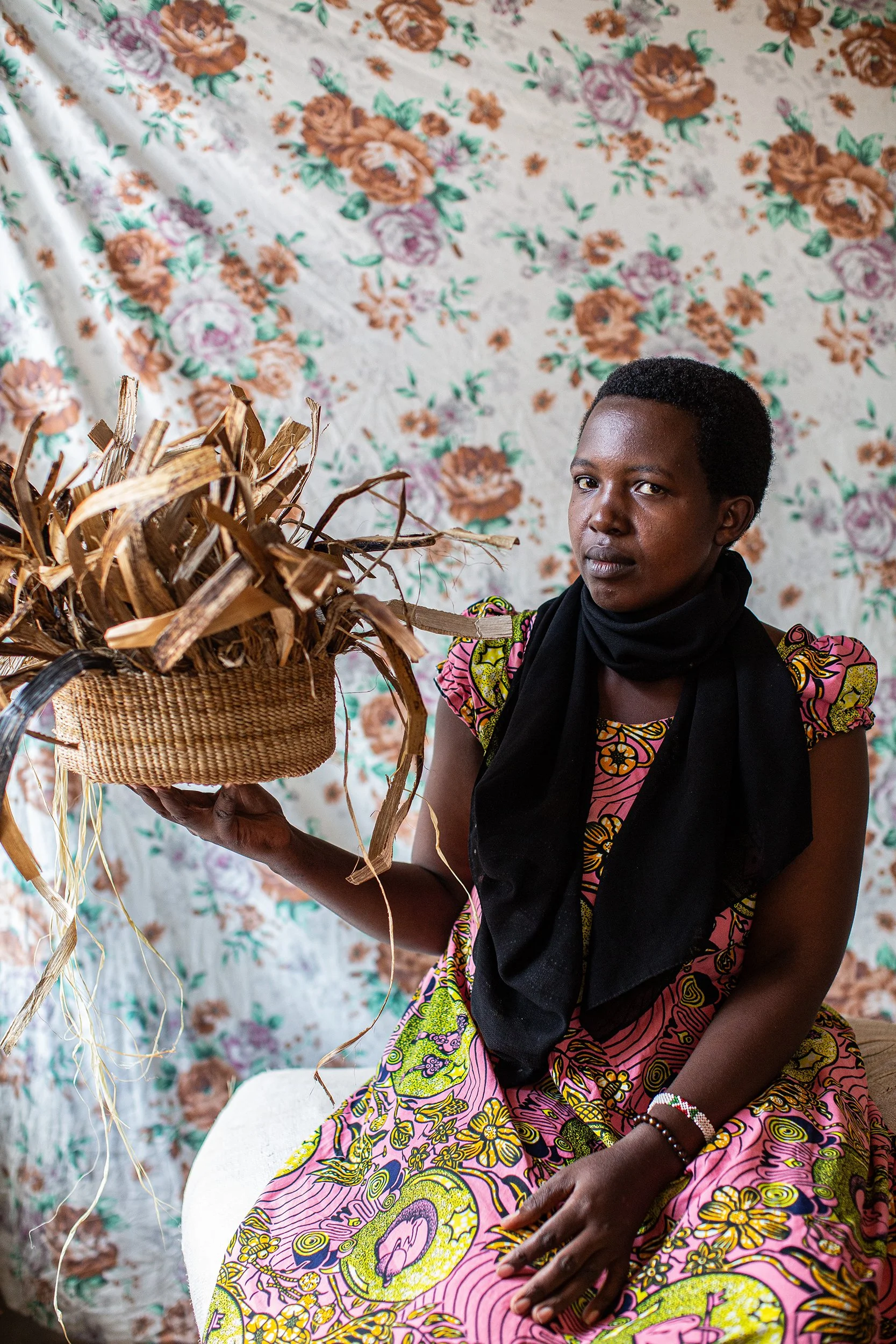
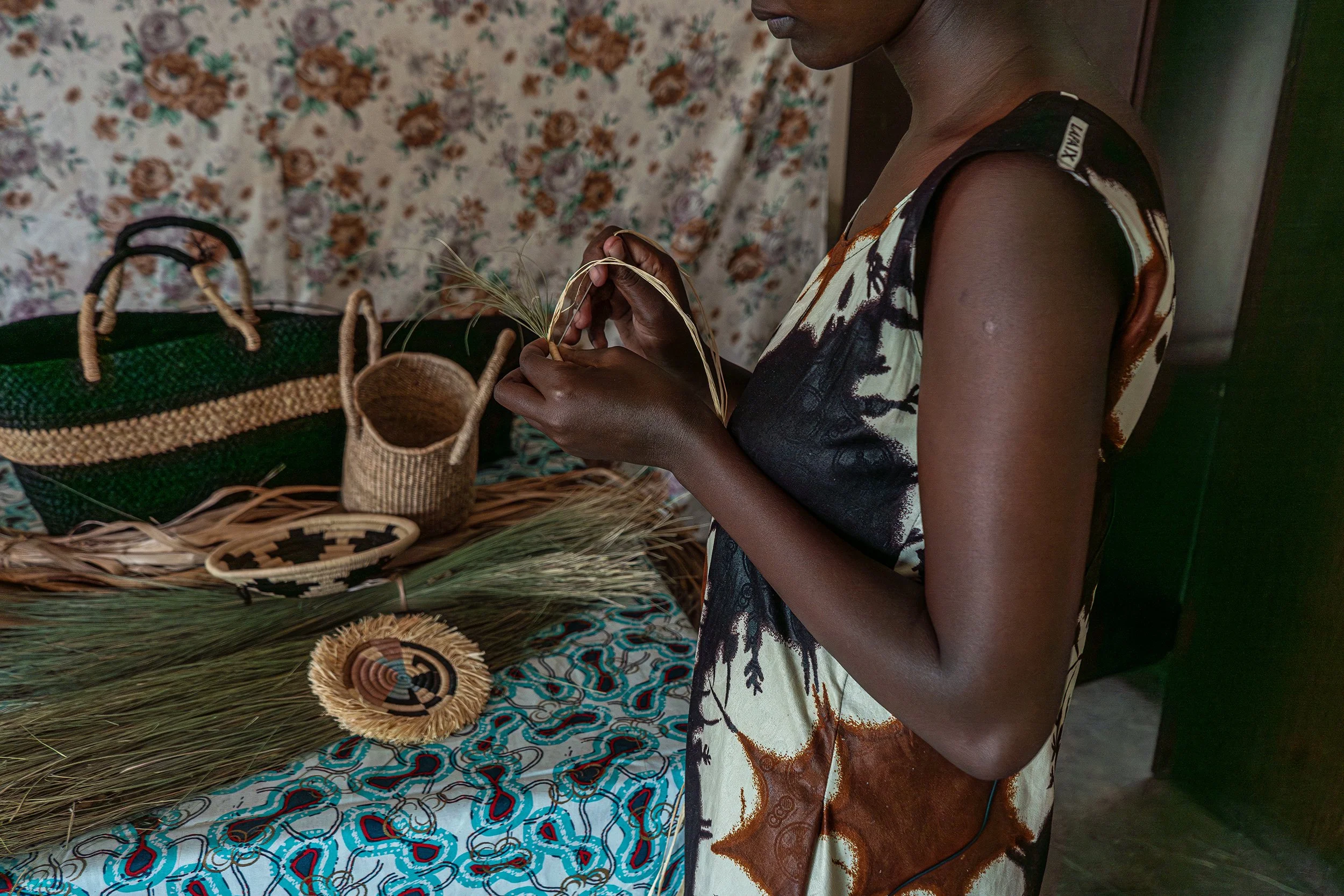
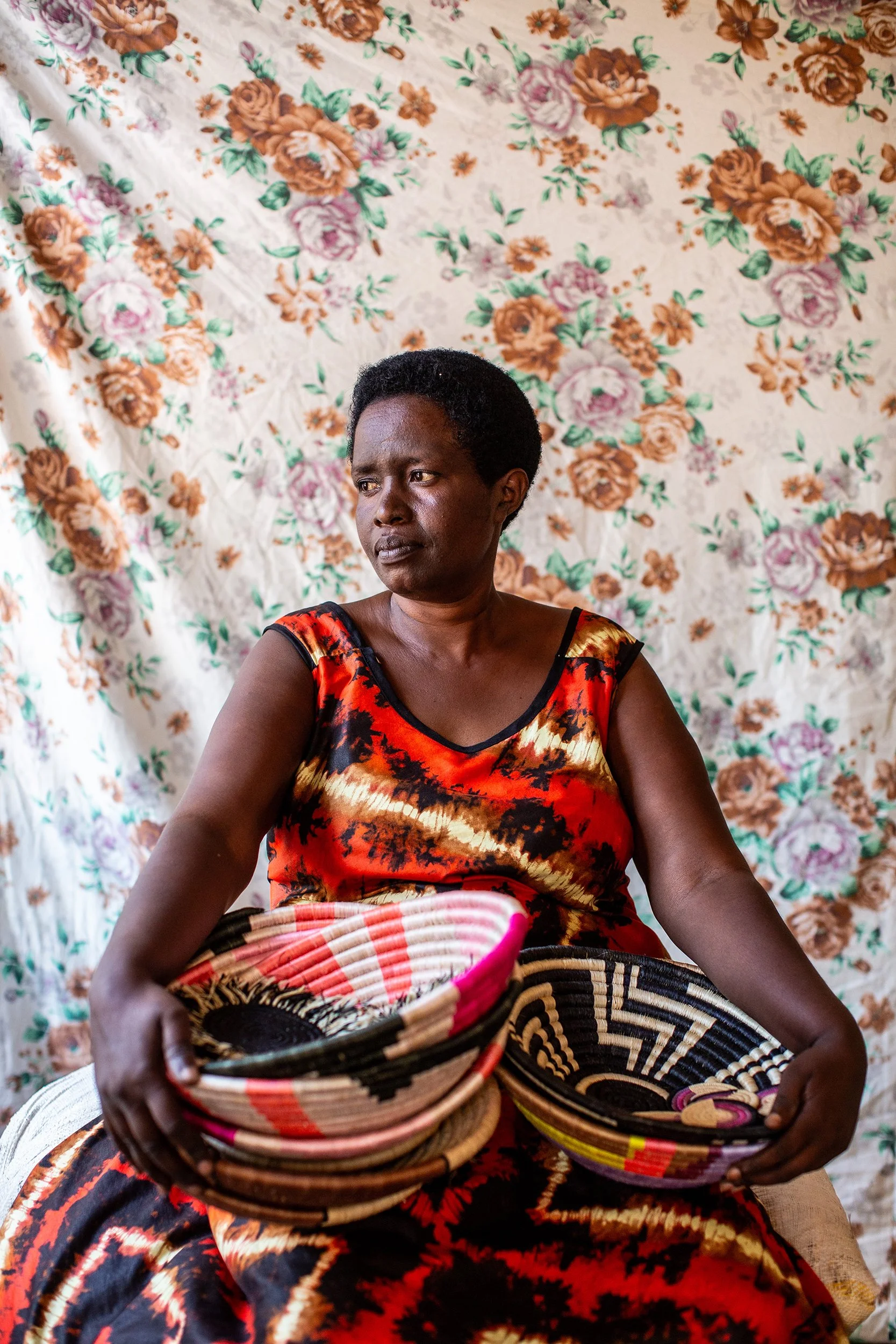
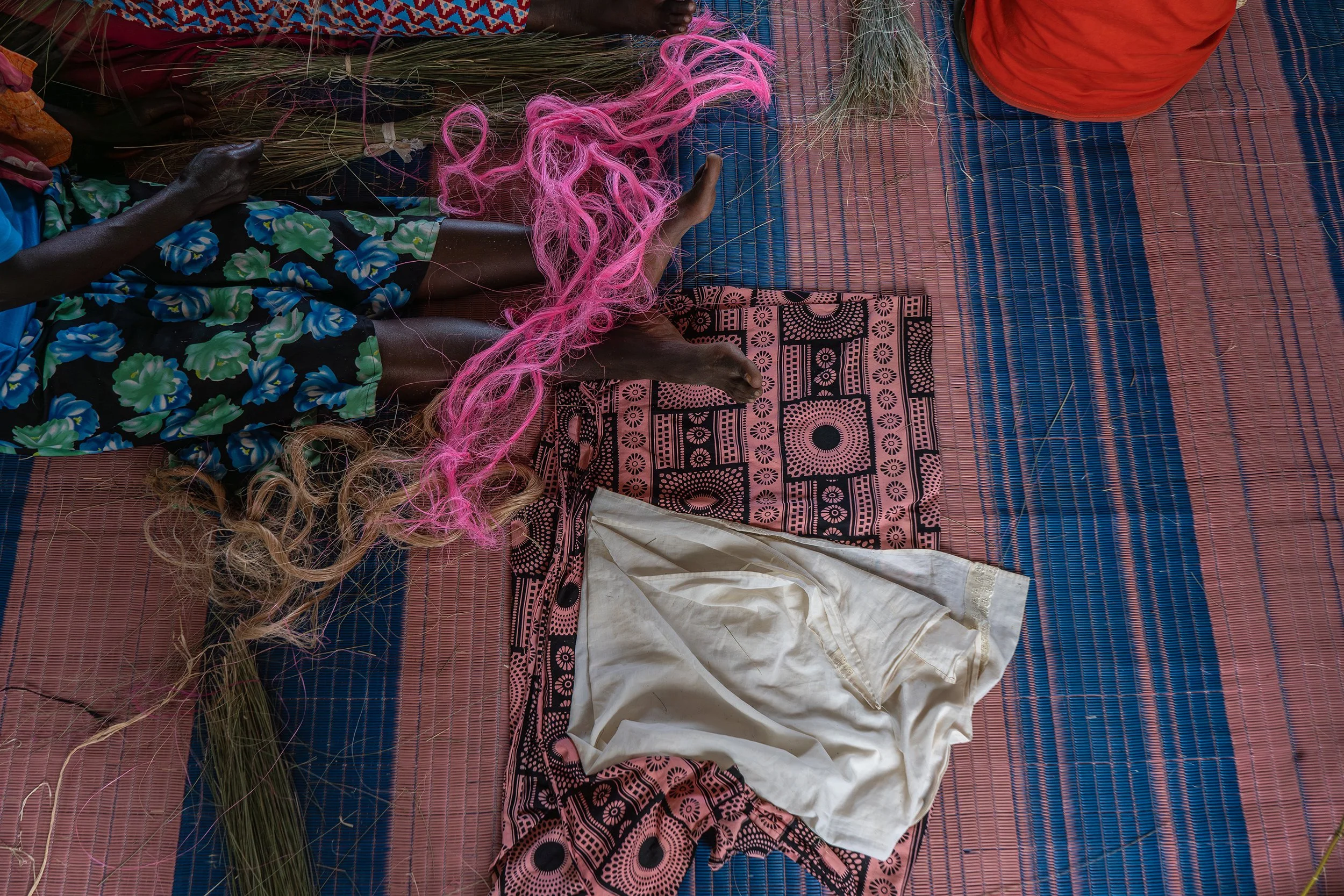
The Artisans of Indego Africa, Photographed by Jacques Nkinzingabo
Location: Rwanda
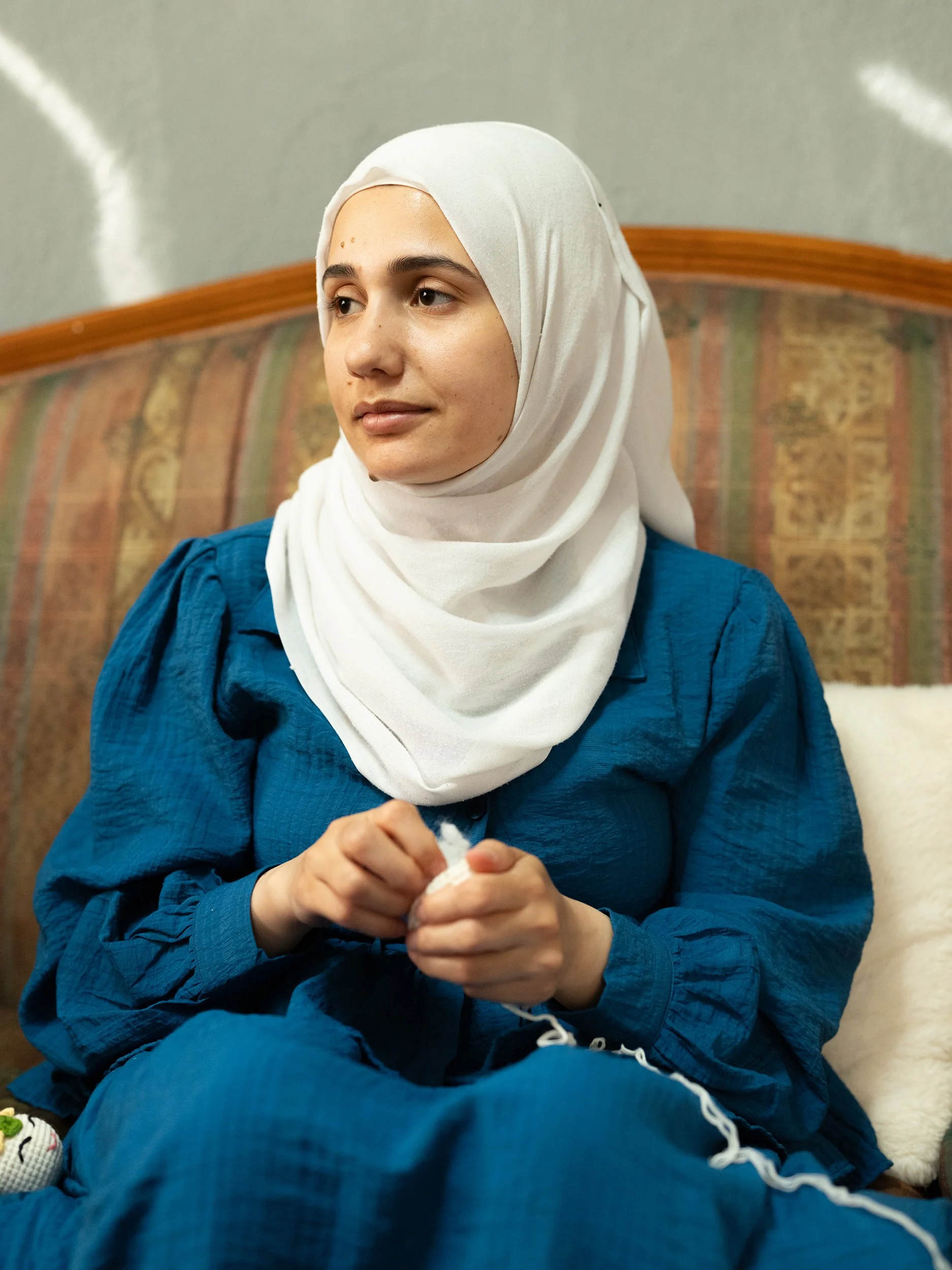
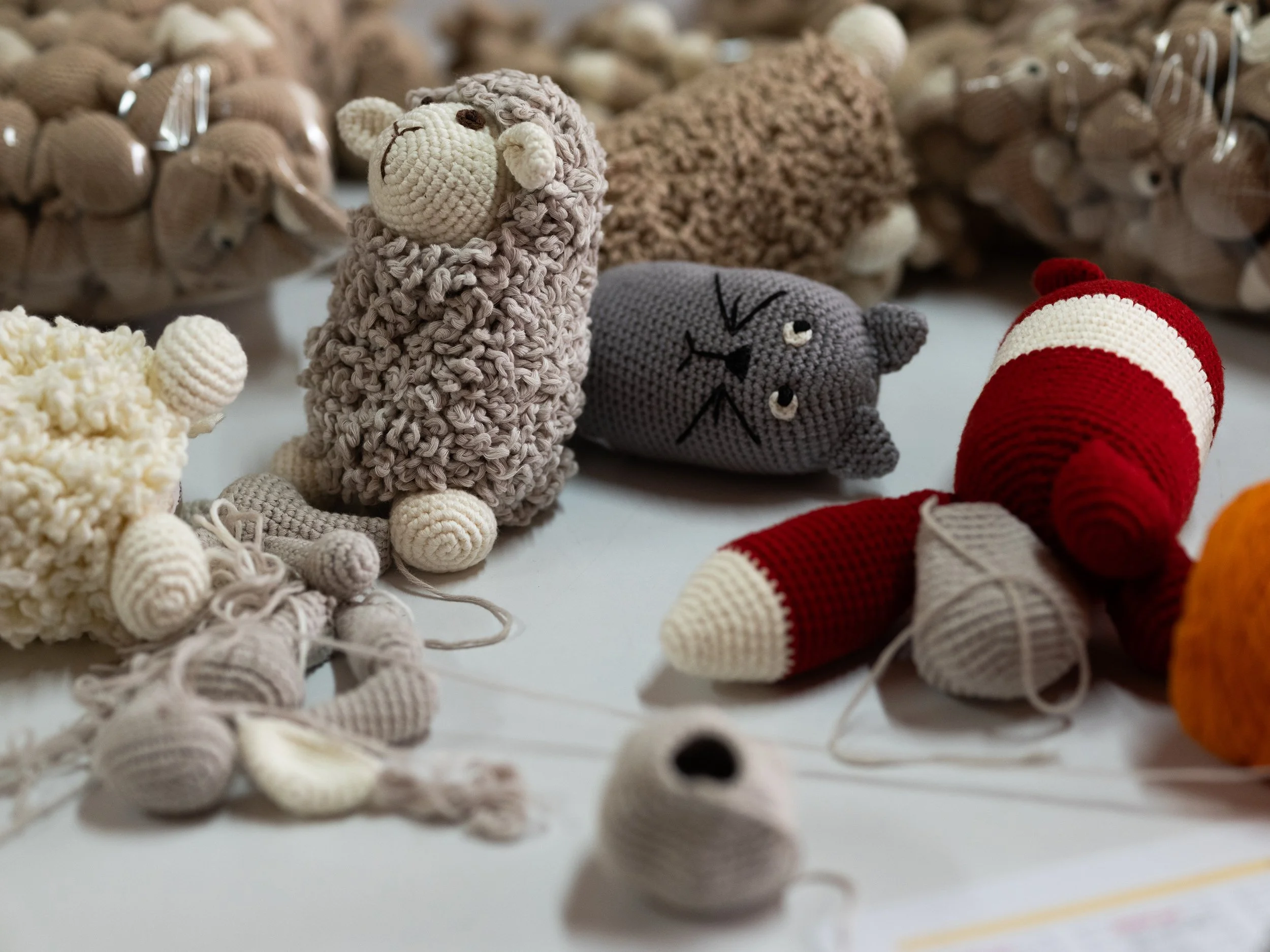
The Artisans of Bebemoss, Photographed by Özge Sebzeci
Location: Turkey
The Artisans of WEAVE, Photographed by Shwe Wutt Hmon
Location: Thailand
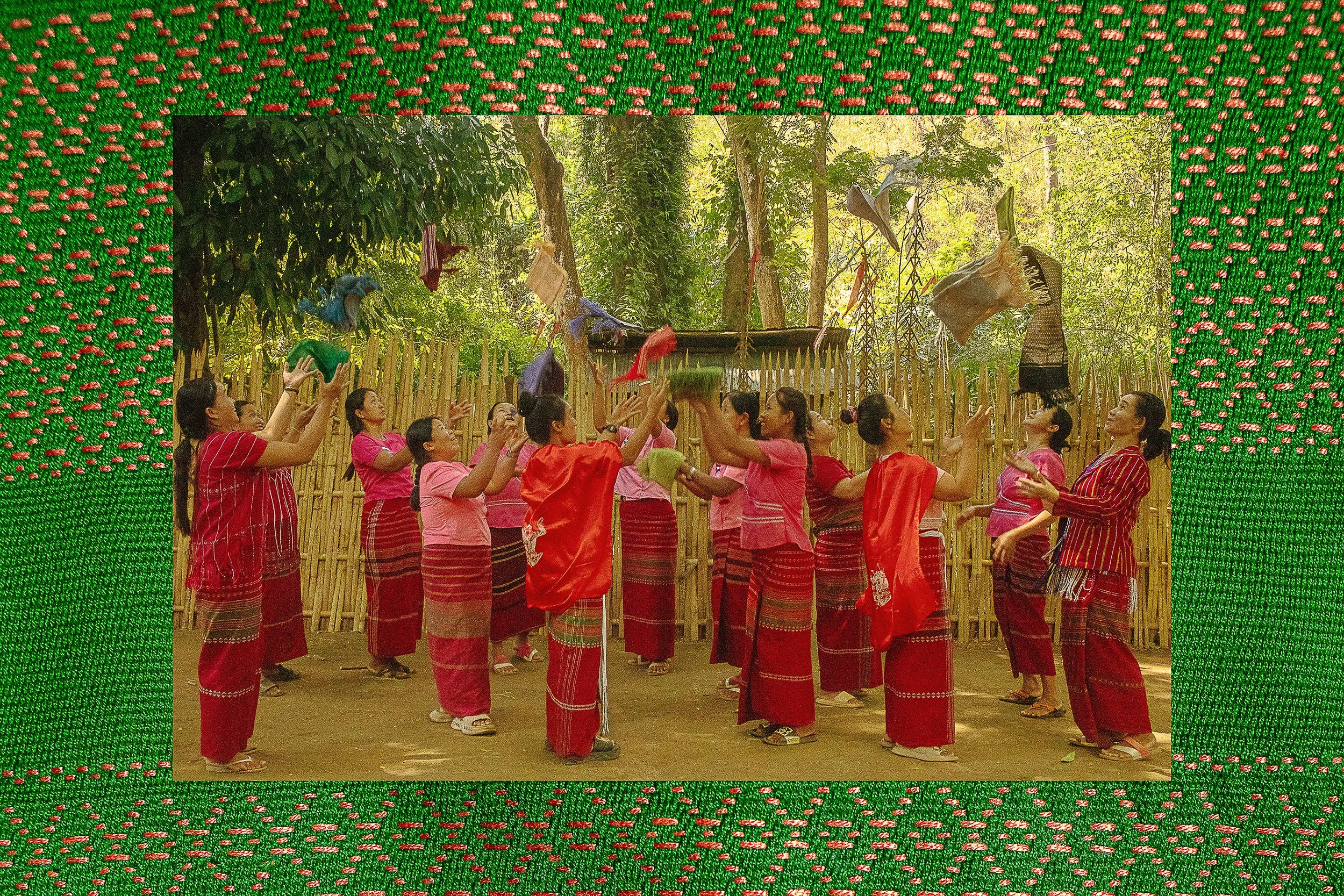
Beyond providing income and financial opportunities, weaving fosters gatherings and shared activities that strengthen social bonds and offer emotional support among the women.
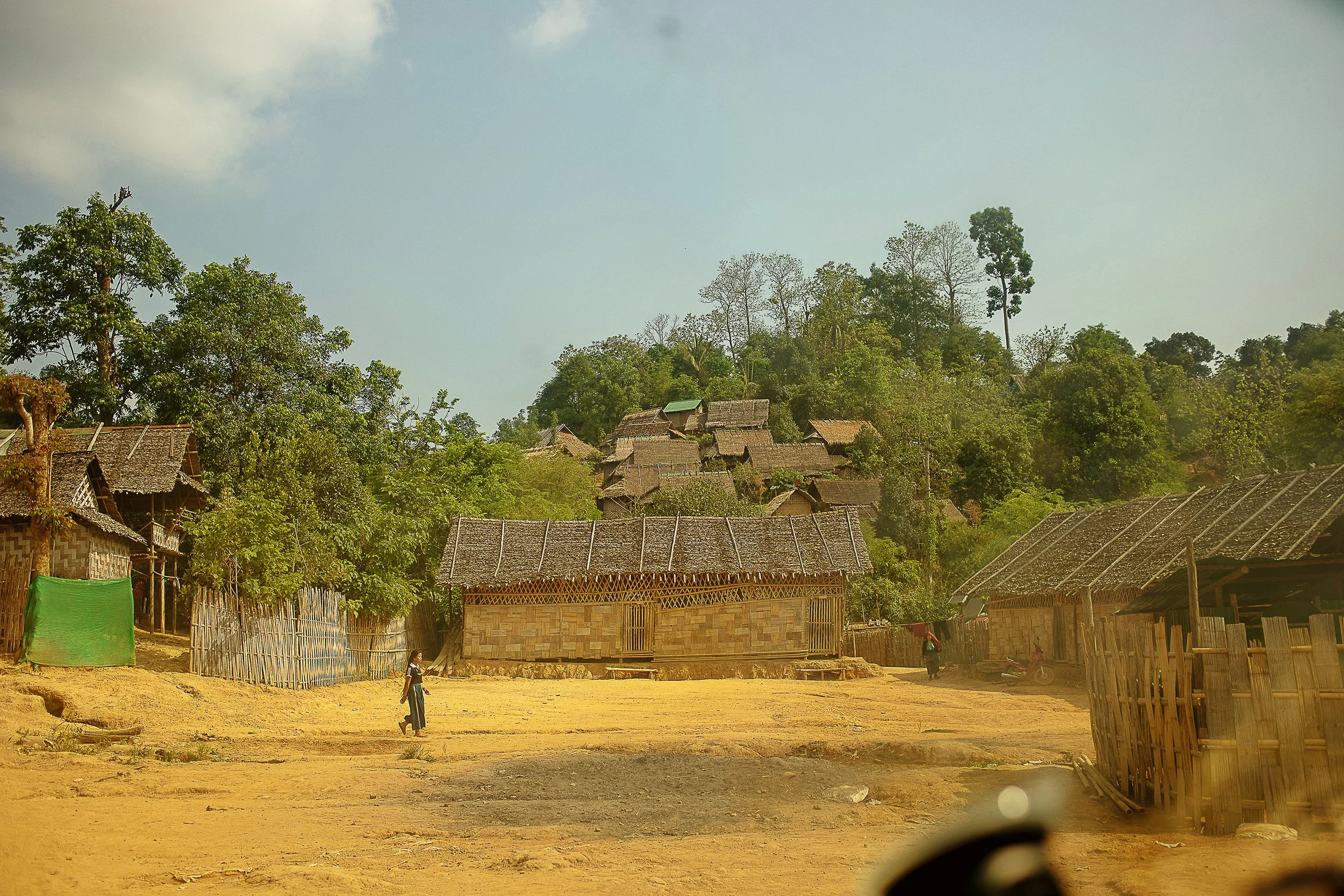
Karenni Refugee Camp 1, also known as Ban Mai Nai Soi, located in Mae Hong Son Province. The camp is currently home to over 10,000 refugees who fled conflict in Myanmar.
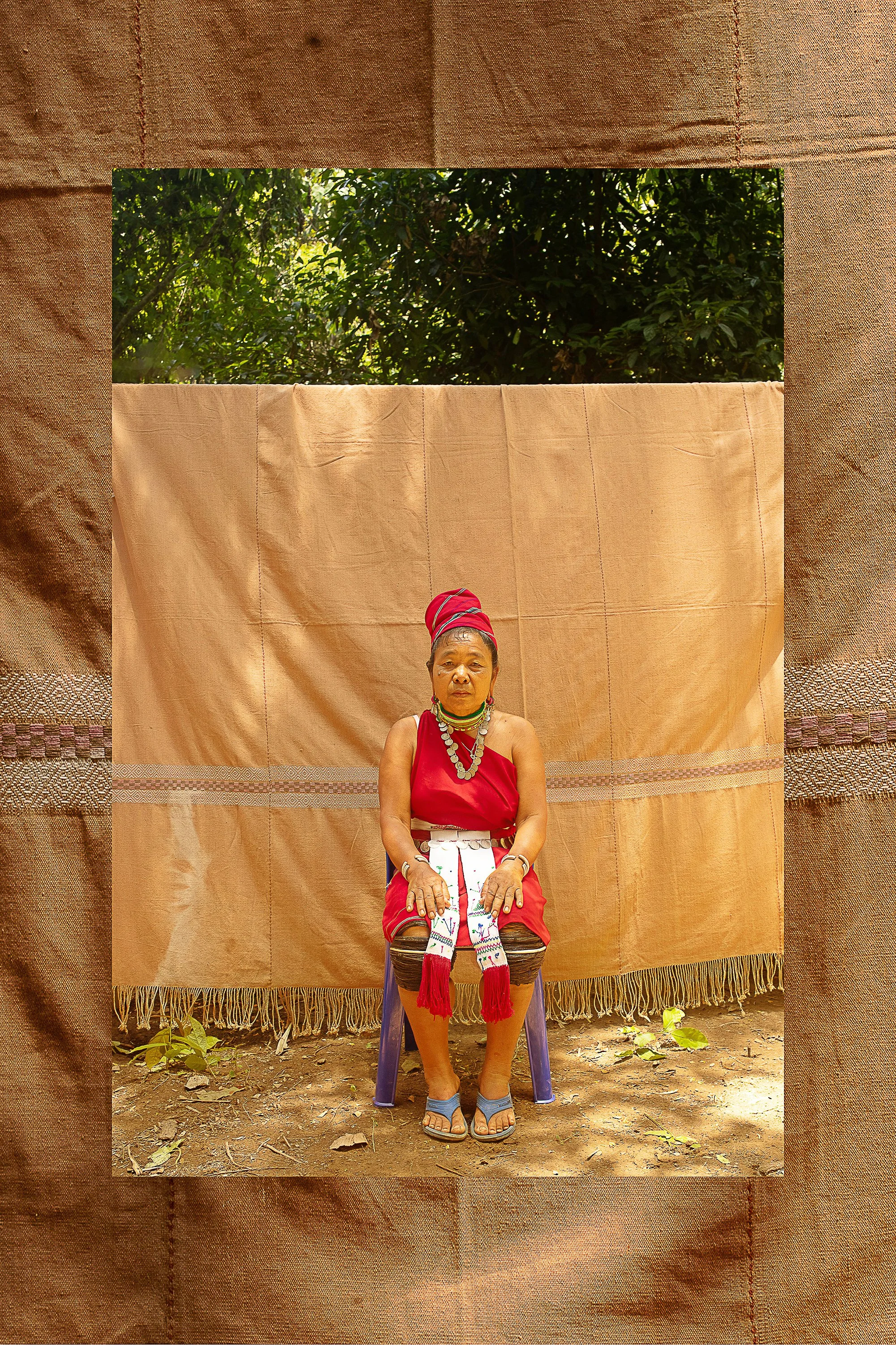
Nga Meh, 55, is still weaving small items when able and proudly wearing traditional attire daily. Her portrait backdrop is a soft brown, naturally dyed handwoven blanket made in 2006 at Mae La Refugee Camp.
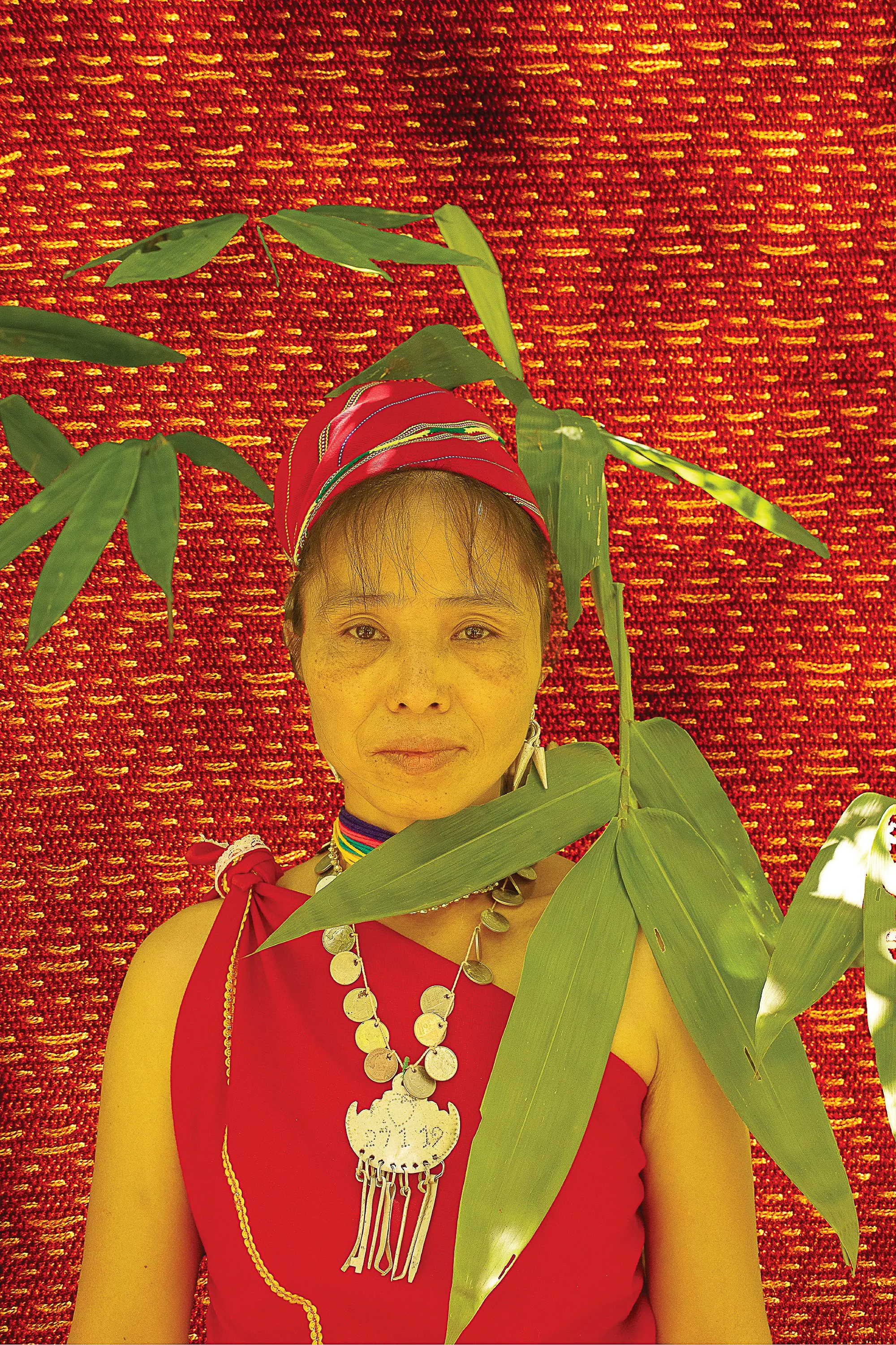
Taw Meh, 38, a Kayah woman, has been weaving since before her displacement to Karenni Refugee Camp 1. She now weaves plain fabrics, bags and some MADE51 products as part of the WEAVE program.
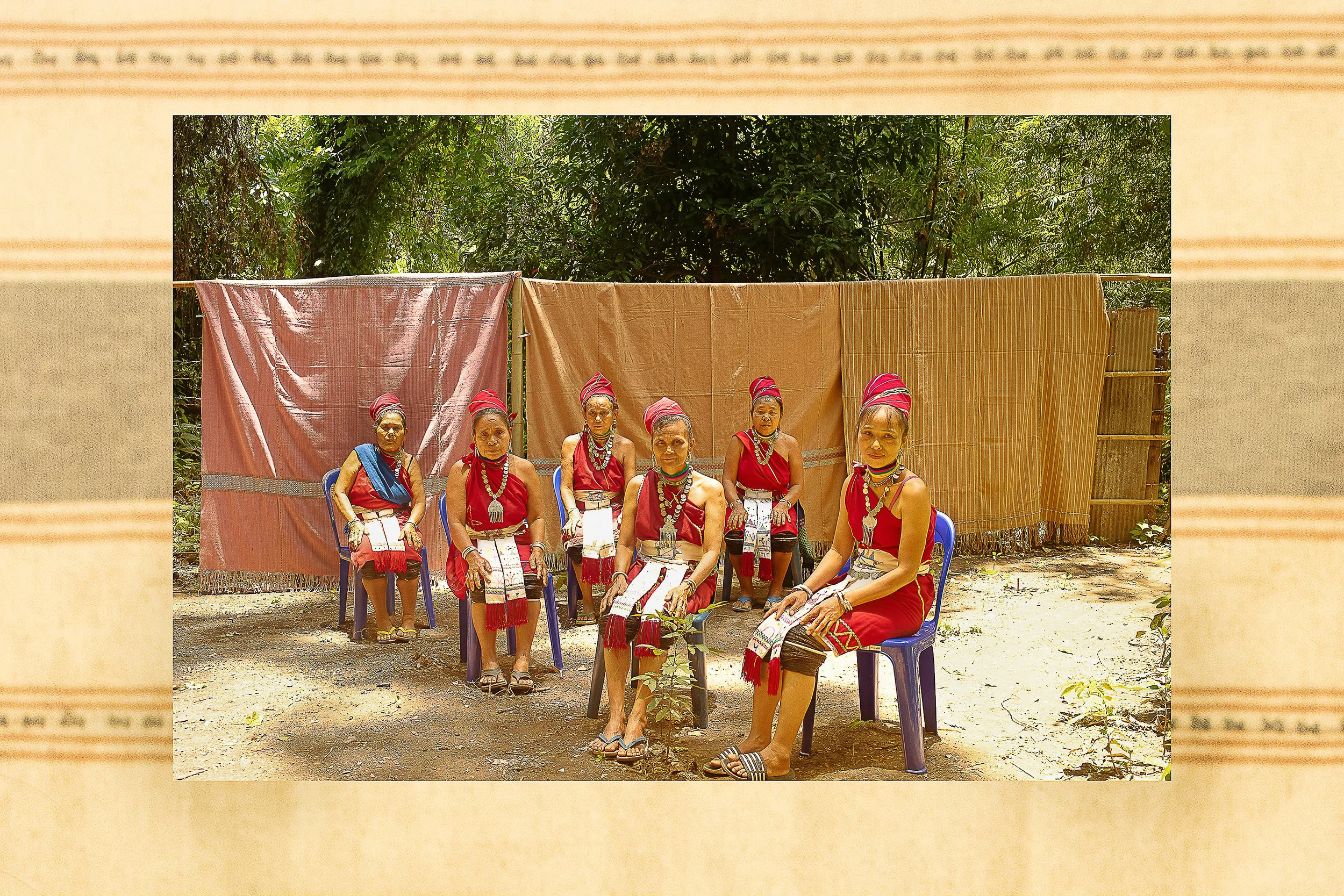
A group of elder Karenni/Kayah women. As respected elders, they wear traditional attire daily, preserving their cultural identity with pride.
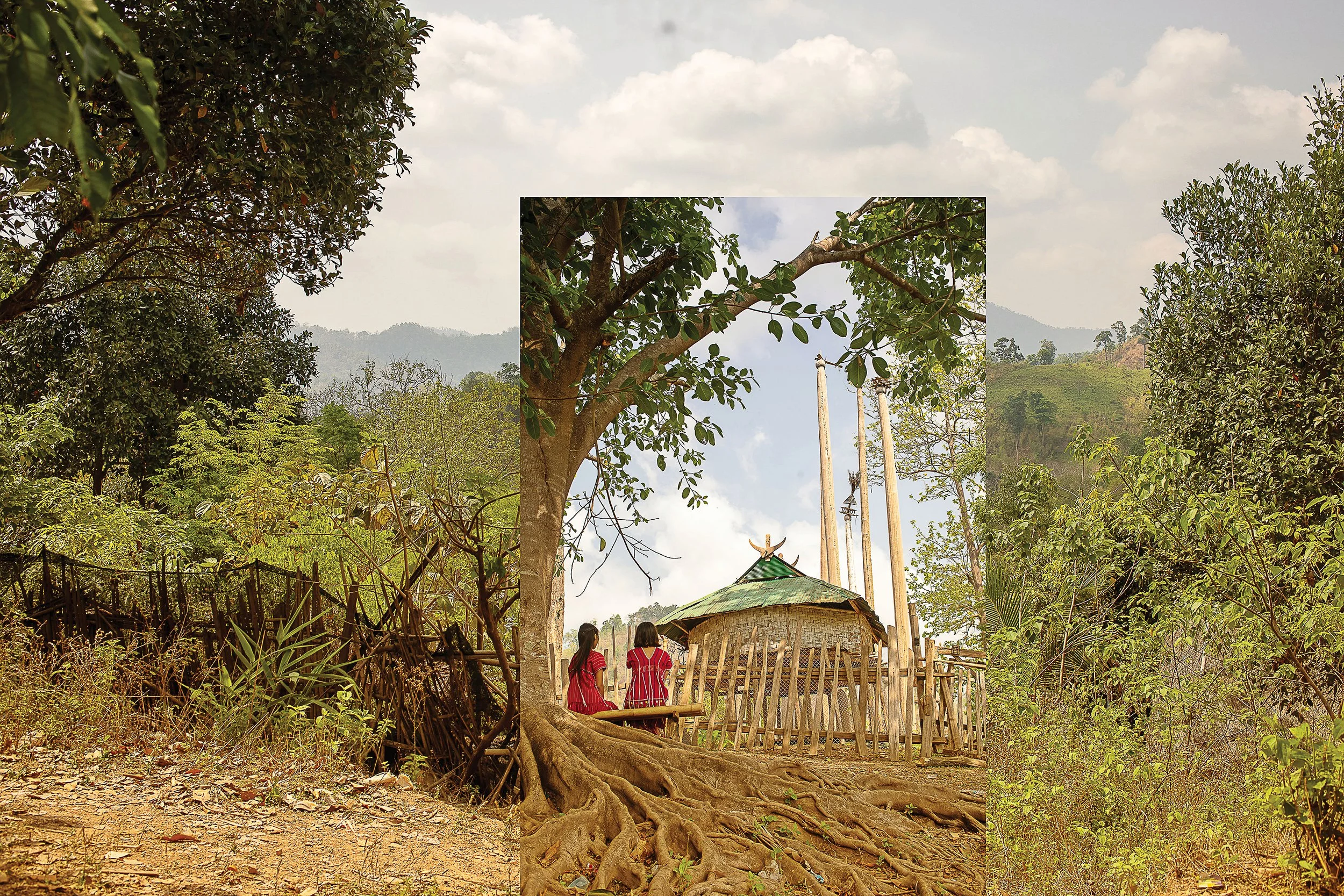
Kay Htoe Boe is an annual festival celebrated by the Karenni people in April or May, marking the new year in the traditional Karenni calendar. A Eugenia tree is cut to create a ceremonial totem pole called the kay htoe boe. During this festival, Kayah/Karenni weavers weave long fabrics to match the height of the totem pole, using them as decorations.